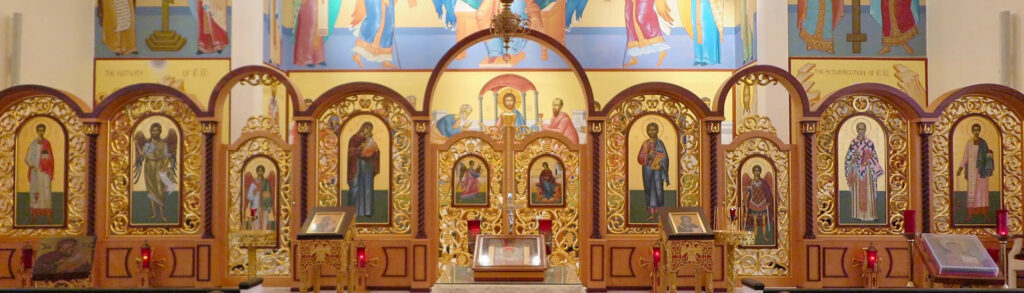
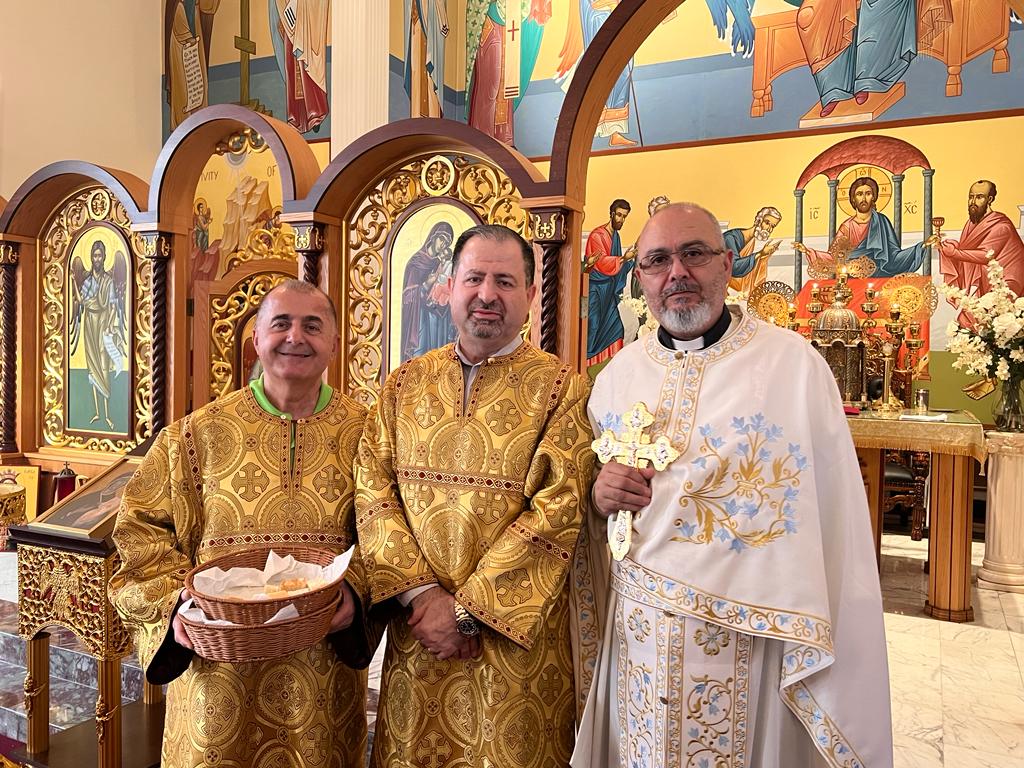
We welcome all the committed believers of Saint Barbra in living and sharing the love of the Holy Trinity and becoming the kingdom of God on Earth.
We accomplish our mission through worship, fellowship, service to others, partaking of the sacraments of our Holy Orthodox Church, and witnessing the Truth revealed through the person of Jesus Christ handed down unchanged from the Apostles and the church Fathers for over 2000 years.
We glorify God by loving each other as God loves us.
“As the late thirst blessed memory Metropolitan Philip said come home America come home to the church of St Peter and Paul.
I say come back to the church which was established by Christ’s himself on the day of Pentecost, and I welcome all of you to come and experience what is been taking place for over 2000 years”
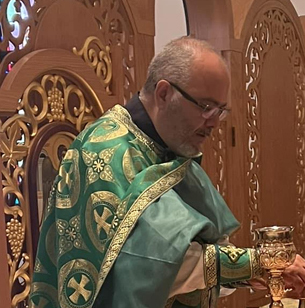
Fr. Stephen Adili
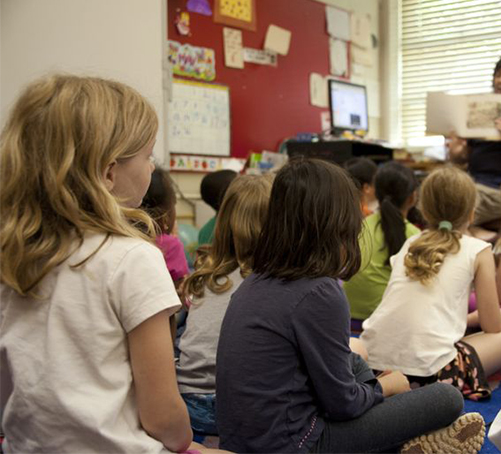
Sunday School
Takes place in the church hall
Every Sunday right after communion.
We have a great story’s to tell the children from the Bible and the old testament, We also explain things to them about the church and liturgy…
Sunday Service
We are located in St. Nicholas Catholic Church.
5135 Sand Lake Rd, Orlando, FL 32819 Sunday Service at 12:30pm (951) 316-6048
When Jesus saw this he became indignant and said to them, “Let the children come to me; do not prevent them, for the kingdom of God belongs to such as these."
Mark 10:14
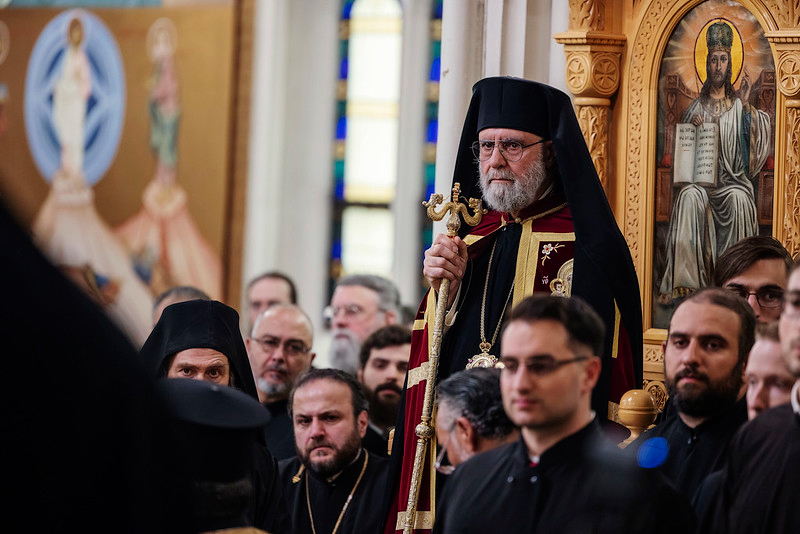
His Eminence, The Most Reverend Saba Isper Is the Archbishop of New York and Metropolitan of the Antiochian Orthodox Christian Archdiocese of North America. His Beatitude Patriarch John X of Antioch and All the East and the Holy Synod of Antioch elected His Eminence to lead the Archdiocese during its extraordinary session on Feb. 23, 2023, in Balamand, Lebanon…
Bishop Nicholas was born in Damascus, Syria, in January 1963 to an Antiochian Orthodox family. He attended the French Lycée Laïque elementary and middle school, and the Omia High School. For the first 18 years of his life, he attended the Antiochian Orthodox Patriarchal Cathedral of the Dormition of the Virgin Mary in Damascus…
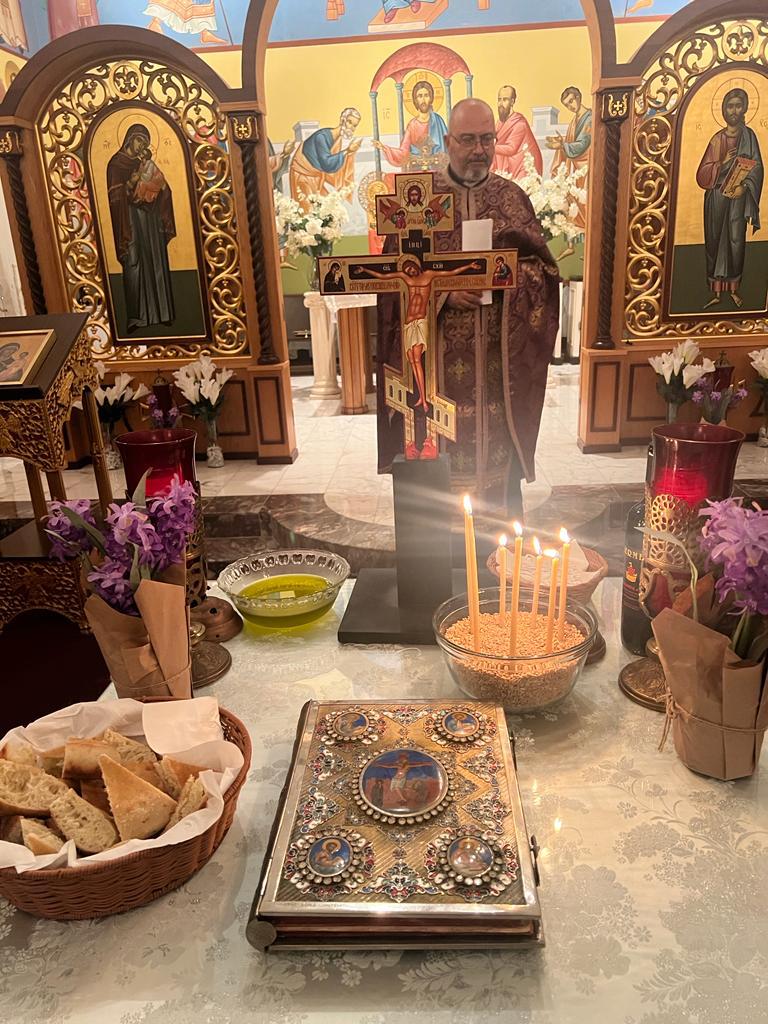
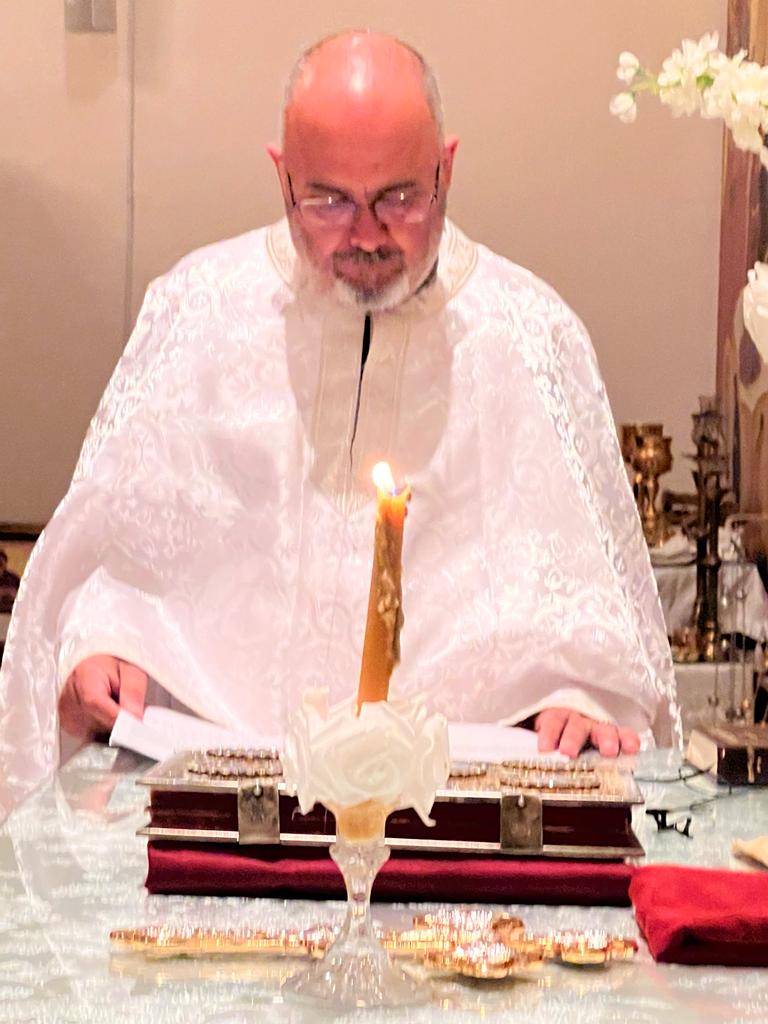
(Greek: Θεία Λειτουργία, translit. Theia Leitourgia) or Holy Liturgy is the usual name used in most Eastern Christian rites for the Eucharistic service.
The Greek Catholic and Orthodox Churches see the Divine Liturgy as transcending time and the world. All believers are seen as united in worship in the Kingdom of God along with the departed saints and the angels of heaven. Everything in the liturgy is seen as symbolic, but not merely so, for it makes present the unseen reality.
According to Eastern tradition and belief, the liturgy’s roots go back to the adaptation of Jewish liturgy by Early Christians. The first part, termed the “Liturgy of the Catechumens”, includes like a synagogue service the reading of scriptures and, in some places, perhaps a sermon/homily. The second half is based on the Last Supper and the first Eucharistic celebrations by Early Christians and it is called “Liturgy of the Faithful”. Eastern Christians believe that the Eucharist is the central part of the service in which they participate, as they believe the bread and wine truly become the real Body and Blood of Christ, and that by partaking of it they jointly become the Body of Christ (that is, the Church).
Each Liturgy has its differences from others, but most are very similar to each other with adaptations based on tradition, purpose, culture and theology.